Infertility in the Arms of the Church

I was a miracle baby. After fighting infertility for two years, my parents’ prayers were answered. I grew up, got married, and had babies of my own, but around me were friends crushed by the heavy hand of infertility. I’ve known suffering, but not the specific suffering of those struggling with the deferred hope of children.

My parents’ story is the one we like to share, because it has the happy ending of God answering prayer and fruit born of long-awaited desire. Like a neat, clean, and perfectly tied package, the happy ending is satisfying in film, literature, and even life.

But what about the stories of continued suffering? Stories that leave you hanging? Stories with loose ends?

Read the rest at Desiring God >>

Duty and Desire in The Crown

There is a complexity of ideas at play beneath the authentic scenery and elegant costumes of the new Netflix series The Crown. This tactful English drama set in post-war Britain centers on the rise and reign of Queen Elizabeth II (Claire Foy). The camerawork and creative writing take us into the hidden realities of relationships between monarchy and family, monarchy and parliament, and monarchy and church. At the heart of it all is the interplay of duty and desire.

Read the rest at Think Christian >>

When Does Mommy Get to Rest?

Prone to wander, Lord, I feel it,
Prone to leave the God I love.
Here’s my heart, oh, take and seal it,
Seal it for Thy courts above.

The words barely roll off my tongue as I bend down to hear my three-year-old son whisper in my ear, “Mama, I want a snack.”

My hands feel around diapers, wipes, and extra clothing items in my bag and then grab onto a small packet of crackers. I tear open the packet and hand it to my son as I resume singing.

Come, my Lord, no longer tarry,
Take my ransomed soul away;
Send thine angels now to carry
Me to realms of endless day.

I glance down to see my son huddled over his blue sneakers, tugging at the yellow laces that have come untied. As I continue to sing one of my favorite hymns, I plop my son down on a chair to retie his shoes.

This is a typical Sunday morning service for young moms — worship as a mother. We sing praise with our mouths to God, while worshiping by tearing open cracker packets and tying loose laces. It’s Sunday, a Sabbath day for many, a day to rest, take it easy, be refreshed, and prepare for another week of schedules, appointments, and work. And yet my hands are busy at work all day. How can I enjoy rest when caring and nurturing is a round-the-clock job?

Read the rest at Desiring God >>

Book Review of Humble Roots

{This post contains an affiliate link.}

What if humility is the key to rest for our weary souls? Hannah Anderson proposes that it is in her new book Humble Roots: How Humility Grounds and Nourishes Your SoulI’ve already sang my praise for Hannah’s first book, so I was eager to be apart of the launch team for Humble Roots. I was able to help promote Hannah’s message through social media and receive an advance copy of the book, which already released October 4th from Moody Publishers.

I have to say I did not expect to be disappointed with this book, because I already love Hannah’s writing, thoughts, and ideas. And I’m glad to say that I was right. There is something unique about this book on humility. Instead of focusing on the sinfulness of pride alone, Hannah shows us how humility is expressed in acknowledging our human limitations; that we are dependent and created beings made from dust who will return to dust. And once we own this truth, and remember we are not God, we will find rest.

According to Hannah, we are all running around in our own strength trying to do it all and be it all (superwomen and supermen) and weighted down by the burden of stress. Although organization, minimalism, and staying up late to get everything done can help, Hannah offers another avenue that gets to the root of the cultural plague of stress and anxiety. The answer? Humble roots. Remembering who are and who God is. Her book is grounded in this one section of scripture from Matthew 11:28-29:

“Come to me, all who labor and are heavy laden, and I will give you rest. Take my yoke upon you, and learn from me, for I am gentle and lowly in heart, and you will find rest for your souls.”

Hannah helps us make the connection Jesus is making here. When we come to him in our weariness and desire rest, Jesus tells us to learn from him – the one who is gentle and lowly of heart. Finding rest for our souls means going to Jesus and learning about his humility. We must get back to our roots, which is being made in the image of God from the dirt of the ground.

The book also addresses several micro-topics, prescribing humility as the remedy. Issues such as: body image, shame, the gender wars, emotions and feelings, the limits of human reason, wisdom, death, gratitude and privilege, stewardship, our dreams, desires, and plans, and brokenness and suffering. And Hannah takes all of this and ties everything together with the imagery of plants, flowers, and gardening, basically things that are earthy, to remind us of where we come from.  The rural agrarian feel of living off the land, man and nature, that which is simple and natural, is the beat of this book on humility. Replete with wonderfully told stories from her own life and a diverse and interesting use of quotes that support the larger message of the book, Hannah brings our knees to the ground as we dig our hands deep down into the soil of humility.


Special Revelation, General Revelation, and Chronicle’s Library of Luminaries

I’ve been an admirer of Coco Chanel’s ambition, designs, and other aspects of her life story, so when I found out Chronicle Books had a series of illustrated biographies called Library of Luminaries and that Coco Chanel was one of them, I was all in. Chanel’s biography was released this past August along with one on Frida Kahlo, joining books on Jane Austen and Virginia Woolf. Nina Cosford illustrates these women’s stories with delicately sharp watercolor designs, while Zena Alkayat pieces together quotes and personal letters from each author or artist, along with her own words, in handwritten text.

This concept of placing equal emphasis on text and visuals is a rarity in adult literature, perhaps even more so for Christians…

Read the rest at Think Christian >>

The CAPC Digest: Embracing the Supernatural in Stranger Things

I recently made my podcast debut with Christ and Pop Culture. I’m with Tyler Burns and Drew Dixon discussing my recent article on CAPC. Honestly, this was my first podcast experience and I was nervous, but also excited to share and discuss some important truths, while talking about the Netflix series Stranger Things. Here is the blurb about the podcast episode:

The supernatural side of the Christian faith is often times overlooked in favor of rational thought by conservative evangelical culture. The idea of a unexplainable supernatural occurrence can be scary and it was the reason Drew and Tyler chat with Liz Wann about her recent article “Stranger Things and Our Quest for the Extraordinary in the Ordinary.” The duo return from vacation to discuss what Christians can learn from the new show Stranger Things and the importance of acknowledging the reality of the supernatural around us and in Scripture.

Go here to listen to the podcast >>

Go here to check out other CAPC podcasts >>

Seeking Revelation in Anthony Bourdain’s Parts Unknown

I recently had my second post over at Think Christian up a few days ago. Here is a short excerpt and a link to the original post:

Anthony Bourdain is more than just a crass, foodie traveler known for eating rotten shark meat and a still-beating cobra heart. In his CNN show Parts Unknown, Bourdain reveals the many layers of faraway cultures. Fast Company’s Rob Brunner writes that “Bourdain is on a mission to illuminate underappreciated and misunderstood cultures, whether it’s Myanmar or Detroit. He regularly takes viewers to the sorts of places—Libya, Gaza, Congo—that most Americans know only from grim headlines about political strife and body counts.”

Season 7 of Parts Unknown concluded in the streets of Buenos Aires this past June. The episode hinged on extended therapy sessions, as Bourdain invited us into the “dark crannies of my skull” in honor of the psychology-obsessed Argentinians. He can also be found engaging in the local pastime of lawn chair-lounging and beer sipping while watching airplanes land.

Read the rest >>


Stranger Things and Our Quest for the Extraordinary in the Ordinary

My husband and I enjoyed the first season of this new show on Netflix. Here is a review of the show with a theological angle. 


***This article contains spoilers for the first season of the Netflix series Stranger Things.***

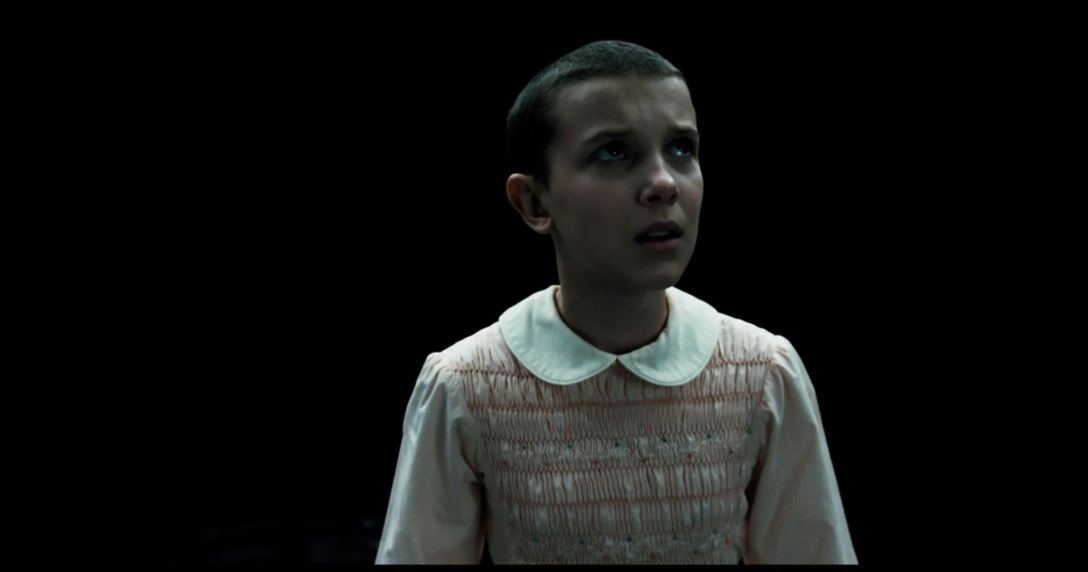
The Merriam-Webster Dictionary defines “strange” as “different from what is usual, normal, or expected.” The relatively new filmmakers the Duffer Brothers pulled off the unexpected by casting four middle-school-age boys as the central characters in an adult-targeted TV show. Television networks told the brothers it wouldn’t work unless they targeted the show at kids or made the two leading adult actors the main characters. They were rejected fifteen to twenty times, with one TV exec telling them, “You either gotta make it into a kids show or make it about this Hopper [detective] character investigating paranormal activity around town.” But the brothers were loyal to their own creative instincts. Matt Duffer responded by saying that if they were to follow this advice, “[t]hen we lose everything interesting about the show,” and they sought out instant streaming networks instead. The loyalty to the script for their horror/science fiction series, Stranger Things, paid off. According to Parrot Analytics, the Duffer Brothers’ Netflix summer hit was the most popular digital original series in the U.S. for the week of July 17 to 23. What TV execs perceived as strange in the Duffer Brothers choice of main characters became normal as the new Netflix series spread through Facebook and Twitter feeds.

Read the rest at Christ and Pop Culture >>

The Avett Brothers and the World’s True Sadness

It was my first time seeing them in concert. The place was a box of a venue, smelling of wood and beer, with dim lighting. The X on the back of my hand, made with a Sharpie, told the bartenders, “Don’t serve this girl alcohol.” It didn’t matter. I wasn’t there for alcohol. I was there for two, stereotypical Jesus lookalikes whose voices cracked as they yelled and yodeled, then settled down into a peaceful croon. The Avett Brothers were raw, grungy folk artists with tender, lyrical rhymes. They could make you dance and make you cry.

The Avett Brothers have come far since they were underground and I was underage. They recently released their ninth album, titled True Sadness. Since gaining popularity, Scott and Seth Avett have polished their raw musical edges while maintaining their folk ballad lyrics. Many of the songs on True Sadness tell stories with similar themes: fear, disappointment, hardship and redemption. Whether it is set to an upbeat twang, like “Divorce Separation Blues,” or to the gentle strums of “No Hard Feelings,” the brokenness of this world is made clear. The lyrics sing truth about a perfect world gone wrong. Once, perfect peace filled our souls. Now we battle with fear and, as the Avett Brothers phrase it, “…this evil inside me. I step out my front door and I feel it surround me.”

Read the rest at Think Christian >>

The Daily Work of the Spirit

Growing up in the church I was familiar with ministry nights. I also grew up experiencing the full gamut of Christian conferences and retreats. These events included extended times of prayer and worship accompanied by serene guitar strums and low lighting. Sensing the presence of the Holy Spirit felt as effortless as the melodies falling softly on my ears. These felt like special times when God would reveal himself to me in my stillness, and the Spirit would convict me of sin and help me set my sights on Christ.

These organized events can be refreshing and beneficial, but I’ve realized I should be seeking ministry from the Holy Spirit at all times. The Spirit’s ministry doesn’t have to be still, quiet, peaceful, and at a scheduled time. The Holy Spirit works in the mundane everyday moments of life — the nitty-gritty daily grind.

Read the rest at Desiring God >>

“I Done It Already”: Why ‘The Revenant’ Doesn’t Fear Death

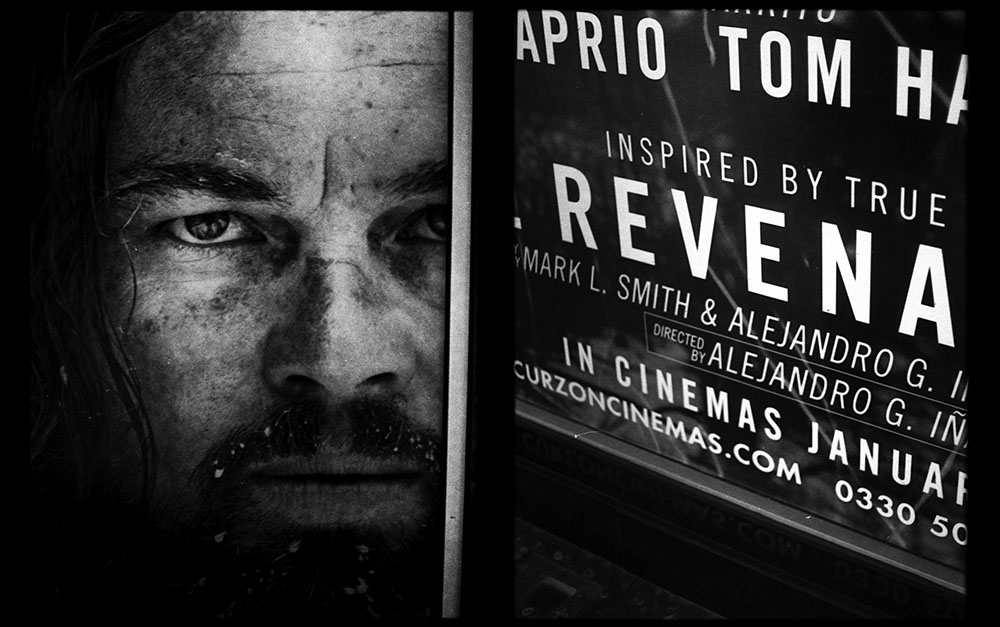
The fear of death grips us all. It can feel like a large gaping hole in our field of knowledge and experience. We are born with the instinct to self-preserve, and fear can be one of our biggest motivators. In the award-winning film The Revenant, the fear of death is a central theme, especially as displayed through the antagonist, John Fitzgerald (Tom Hardy), whose methods and motives of self-preservation contrast those of the protagonist Hugh Glass (Leonardo DiCaprio).What is the biggest indicator of fear in Fitzgerald’s life? It’s his hoarding.The word “revenant” originates from the French verb revenir, which means “to come back” or “to return.”

Leonardo DiCaprio is a haunting apparition in his Oscar-winning role as Hugh Glass. He primarily haunts Fitzgerald, but in a way he also haunts all of us. Glass is living proof of a battle with death. He fights death in the form of a bear and continues the battle for life as he seeks revenge for the death of his son. Glass haunts us all because he has faced one of the biggest fears of mankind—death. Yet by the end of the film, Glass is able to say, “I ain’t afraid to die anymore. I done it already.”

Read the rest at Christ and Pop Culture >>